Anatomy of the expired-listing call
A hands-on lesson in a permission-based cold call. You will watch a top agent role-play a full expired-listing call, break it into seven beats, and learn why the same words fail when read but work when delivered. Built to be packaged as client sales-enablement.
💡 Dotted words are definitions
Any underlined term has a plain-English definition. Hover it on desktop, or tap it on mobile, to pop it open.
✅ Quizzes keep score
Each section ends with a multiple-choice check. Your running score sits in the top bar; a final tally waits at the end.
The call sells one thing: the appointment
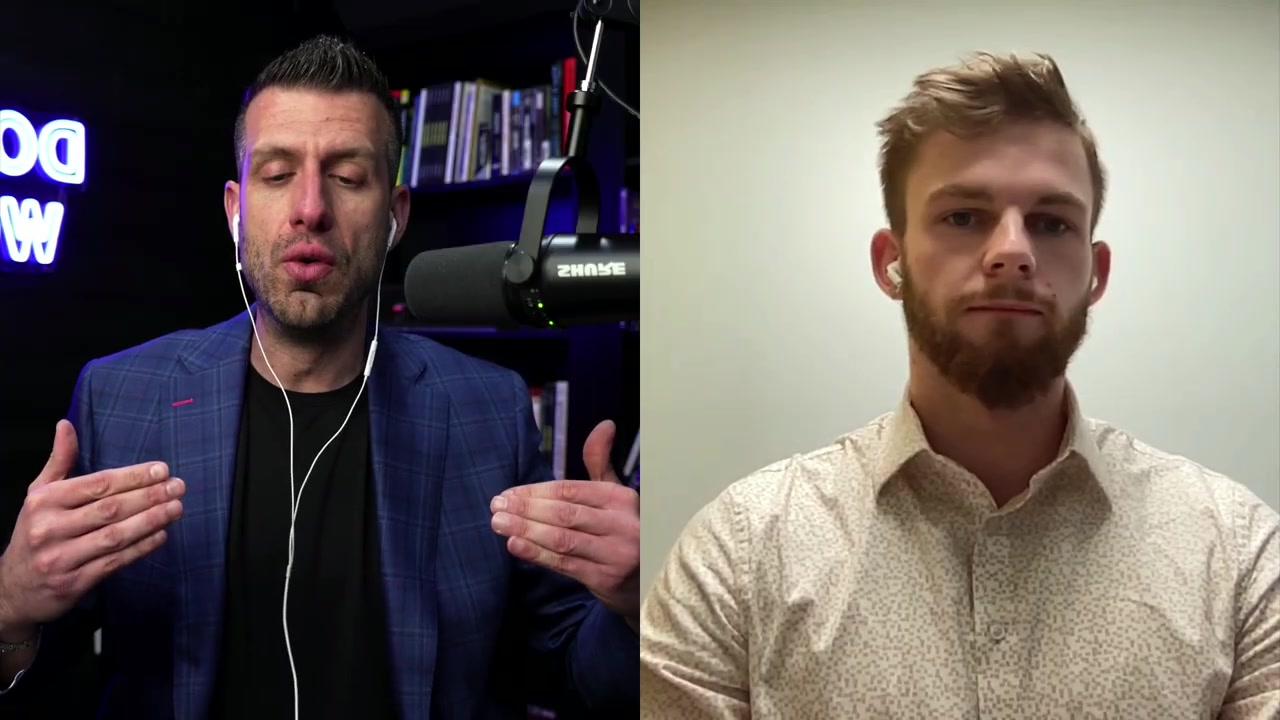
The whole video is a coaching interview. Brandon Mulrenin, a real-estate sales coach, interviews a top-producing agent he calls Asher, who first names his framework and then role-plays a full cold call to an expired listing, a home that was listed but came off the market unsold. 0:00
The single most important framing: the call is not trying to sell the house or close the seller. It is trying to earn one thing, an appointment. Every line bends toward "would you be totally opposed to inviting me over." Getting that straight is what keeps the call low-pressure instead of pushy.
What is the actual goal of this expired-listing call?
The framework, before the words
Before demonstrating anything, Asher names his strategy in order. It is three moves. 0:09
- Pattern interrupt. Identify yourself as an agent immediately, then give the seller permission to end the call before it starts. That pattern interrupt plus a permission-based opening spikes their curiosity and, counterintuitively, keeps them on the phone.
- Aim the questions. Ask a couple of questions, but not "why didn't it sell" as fact-finding. Ask why they think it didn't sell. Their theory is what you can add value to.
- Let the pain surface. This is pain-based selling: get the seller to state their own problem out loud, then help them toward the relief.
"If I can figure out why they think it didn't sell, they're going to sell me on the pain, and then all I have to do is push on that a little bit and then help them get to where that pain isn't there anymore."Asher, naming the whole engine of the call. 0:46
The design assumes the seller trusts their own words more than yours. So your job is not to argue; it is to ask the question that makes them say the problem.
Why ask "why do you think it didn't sell?" instead of "why didn't it sell?"
The seven beats, in order
Here is the role-play, broken into the beats Asher runs. Brandon plays the homeowner; Asher runs the script live. Watch how each question sets up the next. 0:46
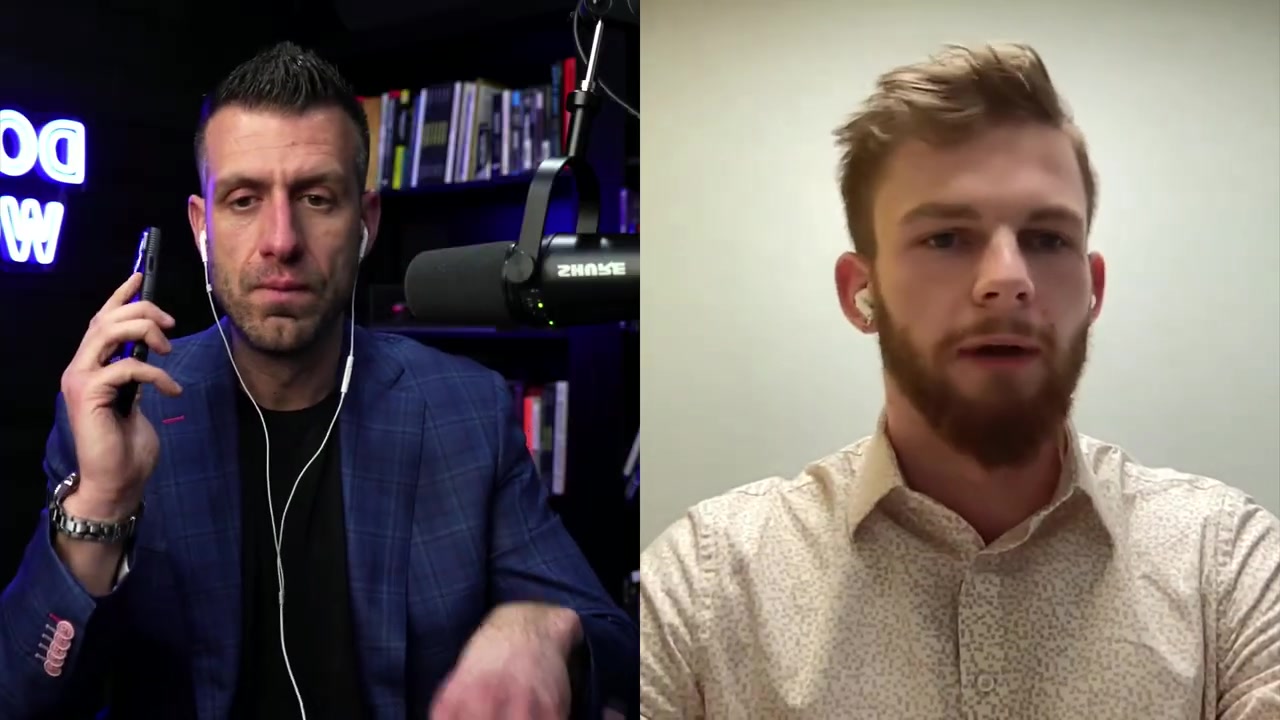
- 1. Permission open. "Hey, this is Asher, I'm a realtor, and listen, before you hang up, I was hoping to ask you a quick question about the home for sale. Would that be okay?" The exit ("before you hang up") comes before the ask.
- 2. Availability check. "I saw it came off the market unsold, and I didn't know if you had sold it privately or if it might still be available." Confirms the opening without assuming, and gets them talking.
- 3. Diagnose the first pain. Ask whether the old agent shared a strategy and feedback each week. The seller answers on their own: after listing, "the communication kind of just disappeared." 2:17
- 4. Surface motivation. "Had it sold, were you planning to buy locally or relocate?" Answer: "the plan was to get something bigger." 2:39
- 5. Deepen the why. "Your home looks great, I'm just shocked you're even considering selling it. Why?" This pulls out the real driver: a growing family, a fourth child on the way, and a dread of repeating the whole ordeal.
- 6. Reframe the ideal outcome. "If you got an offer with terms you liked, a price that made sense, no showings, cleaner and easier, is that something that would be a problem?" The seller: "that's what we want to have happen."
- 7. Take-away appointment close. "I don't know if it would make any sense for us to work together, we've never met, but would you be totally opposed to inviting me over one day this week?" 4:11
In beat 1, the agent says "before you hang up" before asking his question. What is that doing?
Why the close works
Beats 6 and 7 are where the appointment is won, and they use two specific mechanisms worth naming.
Get the yes to the outcome first
Beat 6 is a reframe: it describes the calm, showing-free, good-terms sale and asks whether that would be a problem. By the time the appointment is requested, the seller has already agreed the outcome is exactly what they want. You are no longer asking them to consider selling; you are offering the thing they just said they wanted.
Take it away so they argue for it
Beat 7 is a take-away close, a form of negative reverse: the agent under-sells the fit ("I don't know if it would make any sense for us to work together"). Removing the pushy-salesperson threat makes the seller supply the reasons to meet instead of resisting them. The phrasing "would you be totally opposed to" is a low-pressure agreement frame: it is far easier to say "no, I'm not opposed" than to say "yes" to a stranger, so the wording itself lowers the cost of agreeing.
Then the payoff line ties it off: "you wouldn't consider hiring me unless you felt I could actually get your home sold, right?" The appointment, not the listing, is the only thing closed. There is too much to cover on the phone ("we'll be here a couple hours"), which is the point: the call sells the meeting, the meeting sells the representation. 4:11
Why phrase the ask as "would you be totally opposed to inviting me over?"
What does the beat-6 reframe accomplish before the appointment is ever requested?
Delivery beats the script
In the debrief, Brandon makes the point that matters most for anyone trying to teach this. The words are short and simple. Reading them does not work. 4:34
"You can't just hold up the script and read it. It's all about the delivery."Brandon, telling viewers to study Asher's delivery, not just his words. 4:34
His closing line names the whole skill: it is clear Asher has "totally internalized the why behind the what." 5:06 The transferable thing is not the wording; it is the pacing, the calm, and knowing the purpose of each question so it lands as a real conversation rather than a recital. That is exactly why this is taught by rehearsing aloud, not by memorizing a card.
Brandon says the same script fails for most agents. What separates Asher's version?
Turning the call into something you can coach
The reason to break the call into named beats is diagnosis. Once a rep knows the seven beats and the four stages they group into, permission open, pain diagnosis, ideal-outcome reframe, take-away close, you can listen to a real call and point to the exact beat that is missing or being rushed.
Rushed the diagnosis
A rep who jumps from "hello" toward the appointment skips beats 3 to 5. No pain was surfaced, so the reframe has nothing to reframe. Coach the fix: slow down and let the seller state the problem.
Pitched instead of asked
A rep who lists their credentials is selling, not diagnosing. The whole design is discovery questions first. Coach the fix: replace the claim with the question that makes the seller say it.
Hard-closed the meeting
"Can I come by Tuesday at 4?" is a yes-or-no to a stranger. Swap in the "totally opposed" frame so the low-commitment answer is the agreement.
Read it flat
Right words, no delivery. The rep has the card but not the "why behind the what." Coach the fix: rehearse the purpose of each beat aloud until it sounds like talking, not reading.
A rep opens with rapport, then immediately asks "would you be opposed to me stopping by this week?" Which beat did they skip, and what breaks?
Your score
One-sentence summary
A permission-based cold call earns an appointment by handing the seller an easy exit, asking questions that make them voice their own pain, reframing to the outcome they want, and taking the meeting away so they argue for it, and it only works when the reasons behind each beat are delivered, not read.
Glossary
Every term marked with a dotted underline above. Skim it, or search the page for a word.
Turning this into client deliverables
These are the ways this call could become a resellable Alexana asset for clients whose teams cold-call. They stay pinned at the bottom of the lesson. They are proposals, not done deals: nothing gets built or routed until you choose it. Any client-facing script or automation must also clear US Do-Not-Call / state telemarketing rules, which the source video never mentions.
01 A "delivery over script" training module + role-play template
- Saw
- Brandon's point that reading the script fails and only an internalized "why behind the what" lands, shown by a full rehearse-aloud role-play.
- Why
- Clients with outbound-calling teams (real estate, home services) need reps who can deliver, not recite. A module that drills the purpose of each beat plus a role-play template is a differentiated deliverable.
- Form
- A training one-pager + role-play script template, built when a client with an outbound motion exists.
- Source
- 4:34 in the video
02 A reusable discovery-to-appointment call skeleton
- Saw
- Permission open, questions that surface the prospect's own pain, an ideal-outcome reframe, then a low-pressure ask for the next step, not the sale.
- Why
- The same seven-beat shape fits most B2C sales calls. As a client asset it standardizes how a team runs discovery and books meetings; it also mirrors the "stop selling after the close, ask before explaining" discipline.
- Form
- A one-page call-structure reference clients can adopt and coaches can score against.
- Source
- 0:09 in the video
03 A take-away-framed booking-copy library for GHL
- Saw
- "Would you be totally opposed to inviting me over one day this week" as a low-pressure ask that gets a yes.
- Why
- The "totally opposed" and take-away phrasing translate into SMS/email booking copy inside a client's GHL automation, low-pressure language that tends to book better than a hard "book now."
- Form
- A small library of booking-message variants to A/B test, gated behind a DNC/telemarketing compliance check first.
- Source
- 3:55 in the video
Lesson report
Tell your teacher how this landed. Pick a difficulty, add anything that confused you, then generate a report to paste back into the chat. It drives what gets taught next.
Ask your teacher
I'm your teacher for this course, not just this page. Ask me anything that's unclear, to go deeper on a beat, or to draft the client deliverables above. Next planned steps (each needs a research pass first, so they aren't guessed from memory): a compliance lesson on US Do-Not-Call / state telemarketing rules, and a lesson that grounds this framework in a trusted book source beyond one video.
Primary source to study next: watch the full Brandon Mulrenin role-play once with the sound on, listening to delivery, then once reading the beats above.